Netherland Bulb Company
Crocus Sativus Saffron (Pack of 12)
Crocus Sativus Saffron (Pack of 12)
Couldn't load pickup availability
Crocus sativus
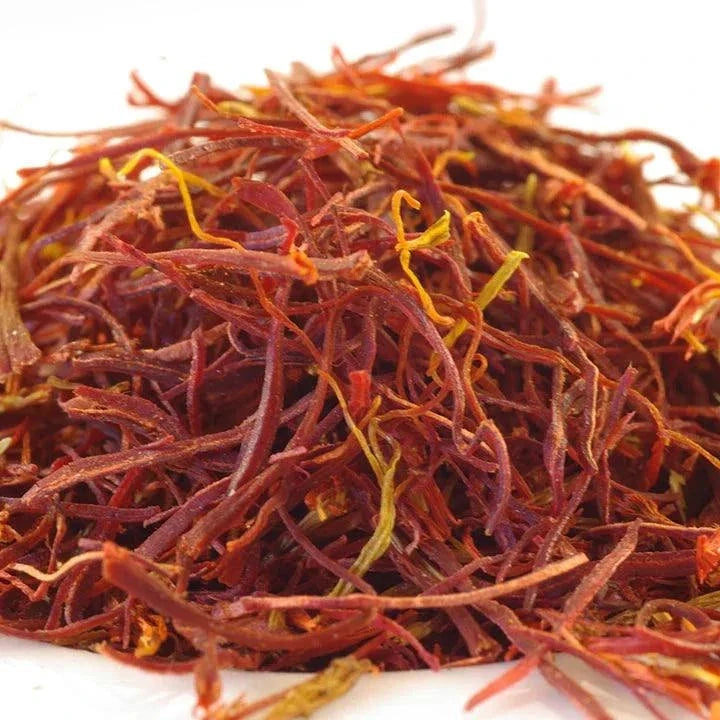
The original "Saffron Crocus" used for flavor seasoning. Use stigmas for cooking or as part of the landscape in rock gardens, woodland gardens, ground covers, or borders. Does best in areas with hot, dry summers.
- Bulb Diameter: 9cm+
- USDA Zones: 6–9
- Winter Protection: Can be grown in zones 4–5 with protection.
- Sunlight: Requires full sun, needing 6–8 hours of direct light daily.
- Soil: Prefers well-drained soil with good organic matter.
- Climate: A Mediterranean climate with hot, dry summers and cool, mild winters is ideal.
- Bloom Time: September – November
- Height: 4–6"
- Planting Depth/Spacing: 2"/1"
- Deer Resistant: Yes
To learn more about saffron's upkeep and maintenance, please visit our blogs and videos below.
Saffron, known for its vibrant color and unique flavor, originates from the saffron crocus (Crocus sativus). This beautiful flowering plant is prized not only for its culinary uses but also for its ornamental value. Understanding how to grow and care for saffron flower bulbs can add a touch of exotic elegance to your garden.
Key Characteristics of Growing Saffron Crocus
- Stunning autumn-blooming perennial with delicate lavender-colored flowers.
- Each flower contains three vivid red stigmas—hand-harvested and dried to produce saffron spice.
- Petals are soft purple with darker veining, contrasting beautifully with red stigmas.
- Flowers emerge from slender, grass-like deep green leaves.
- Grown from corms, which are easy to cultivate under the right conditions.
Climate and Soil Requirements
- Thrives in USDA hardiness zones 6–9.
- Prefers well-drained soil with neutral to slightly alkaline pH.
- Sandy or loamy soils are ideal to prevent waterlogging and bulb rot.
- Raised beds or containers help improve drainage in heavy soils.
Planting Time and Depth
- Plant bulbs in late summer to early fall, 4–6 weeks before the first frost.
- Set bulbs 4–6 inches deep and 6 inches apart, with the pointed end facing up.
Sunlight and Watering
- Requires full sun—at least 6–8 hours of direct sunlight daily.
- Water thoroughly after planting and maintain light moisture until foliage emerges.
- Once established, the plant is drought-tolerant and should not be overwatered.
Care and Maintenance
- Mulch around the plants (not directly on bulbs) to retain moisture and suppress weeds.
- In colder regions, mulching can protect bulbs from freezing.
- Allow foliage to die back naturally to nourish bulbs for the next growing season.
- Remove leaves only after they have yellowed and dried completely.
For more tips on caring for flower bulbs, explore our complete Flower Bulb Growing Guide .
Harvesting and Storing Saffron
Harvest in the early morning when flowers are open. Carefully pluck the red stigmas, avoiding damage to the petals. Each bloom produces a small amount of saffron, so patience is essential.
Dry the stigmas in a warm, dark location, then store in an airtight container away from light and moisture. Properly stored saffron retains its flavor and color for years.
For a step-by-step overview of the harvest process, check out our detailed guide on Harvesting from Saffron Crocuses .
Culinary Uses and Flavor Profile
Saffron is renowned for its rich, earthy aroma with hints of honey and hay. Commonly used in Indian, Persian, and Mediterranean cuisine, it adds golden color and deep flavor to dishes like paella, risotto, and bouillabaisse.
Growing saffron crocus is a rewarding experience, offering vibrant flowers and the joy of harvesting your own spice. With proper care, you can enjoy its beauty and flavor year after year.
Looking to add more color to your fall garden? Don’t miss our vibrant Zinnia Flower Seeds Collection , perfect for pairing with autumn-blooming bulbs like saffron crocus.
Share