Fresh Starts Organic Farm
Organic Basil
Organic Basil
Couldn't load pickup availability
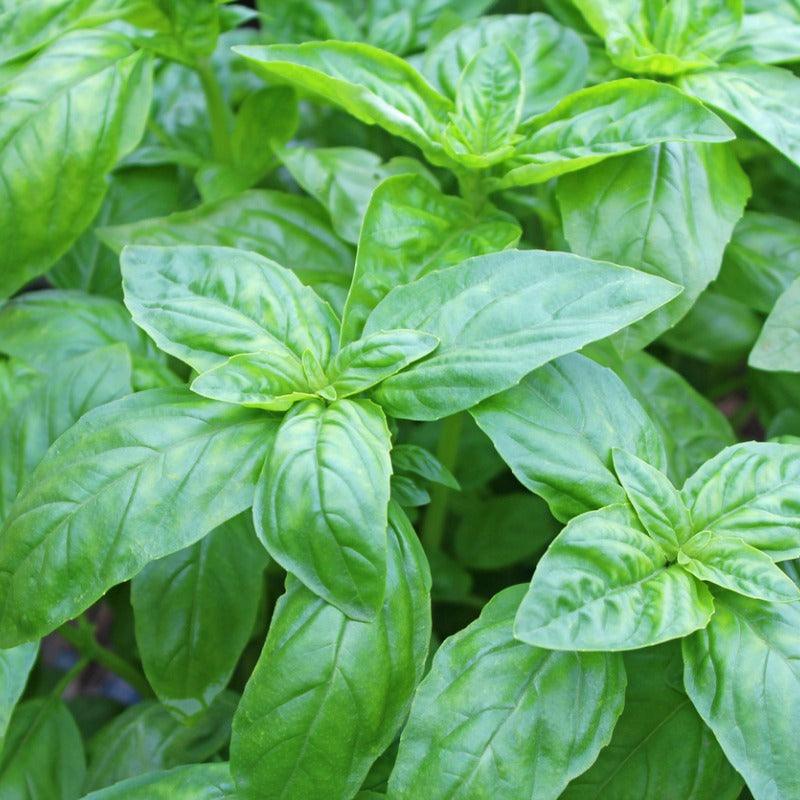
An aromatic herb belonging to the mint family, is characterized by its vibrant green leaves and distinctive sweet, peppery flavor. Widely used in culinary applications, particularly in Mediterranean and Southeast Asian cuisines, basil enhances dishes with its fresh and aromatic profile. It also boasts potential health benefits, containing antioxidants and essential oils known for their anti-inflammatory and antibacterial properties.
Sustainably grown in 2.75" pots
Selecting the Right Location:
Choose a sunny location for growing basil, as it requires at least 6-8 hours of direct sunlight daily to thrive. Basil prefers well-drained soil with a pH level between 6.0 and 7.5. Ensure the soil is loose and friable to encourage healthy root growth.
Planting Basil Starts:
Plant basil starts outdoors after the danger of frost has passed and soil temperatures have warmed to at least 50°F (10°C). Space plants 8-12 inches apart in rows or clusters.
Watering and Care:
Keep the soil consistently moist but not waterlogged, as basil prefers evenly moist conditions. Water deeply whenever the top inch of soil feels dry to the touch. Mulch around basil plants to help retain moisture, suppress weeds, and regulate soil temperature. Organic mulches such as straw or shredded leaves work well.
Fertilizing Basil:
Basil is a relatively light feeder and does not require heavy fertilization. Incorporate organic compost or a balanced fertilizer into the soil before planting to provide essential nutrients. Avoid over-fertilizing basil, as excessive nitrogen can lead to lush foliage but poor flavor. Side-dress with compost or a diluted liquid fertilizer once or twice during the growing season if necessary.
Pruning and Harvesting Basil:
Pinch off the growing tips of basil plants regularly to encourage bushy growth and prevent flowering. Removing flower buds promptly helps prolong the harvest period and maintains optimal flavor. Harvest basil leaves as needed throughout the growing season. Use sharp scissors or pruning shears to snip off individual leaves or stems just above a leaf node. Avoid stripping all the leaves from a single stem to ensure continued growth.
Pest and Disease Management:
Monitor basil plants regularly for signs of pests such as aphids, whiteflies, or spider mites. Handpick any pests or blast them off with a strong stream of water. Practice good garden hygiene by removing and disposing of any diseased or infested plant material promptly. Avoid overhead watering to minimize the risk of fungal diseases.
Saving Basil Seeds:
To save basil seeds for future plantings, allow a few plants to flower and set seeds towards the end of the growing season. Basil flowers are small, white, and appear in clusters on tall spikes. Once the seeds have matured and turned brown, carefully harvest the seed heads and allow them to dry completely in a warm, well-ventilated area. Thresh the dried seed heads to remove the seeds and store them in a cool, dry place in airtight containers until ready to plant.
Using Fresh Basil:
Fresh basil leaves are a versatile culinary ingredient used in a wide range of dishes, including salads, pasta sauces, soups, and pesto. Basil pairs well with tomatoes, garlic, olive oil, and cheese, making it an essential ingredient in Italian cuisine. Experiment with different basil varieties, such as Genovese, Thai, or lemon basil, to explore unique flavors and aromas in your cooking.
Growing basil is a gratifying experience that rewards gardeners with an abundant supply of fresh, flavorful herbs throughout the growing season. By following these guidelines for planting, caring for, and harvesting basil, you can enjoy a bountiful harvest of aromatic leaves that enhance the taste and aroma of your favorite dishes. Whether used fresh, dried, or frozen, basil adds depth and complexity to culinary creations and is a must-have herb in any kitchen garden.
Share