Fresh Starts Organic Farm
Organic French Tarragon
Organic French Tarragon
Couldn't load pickup availability
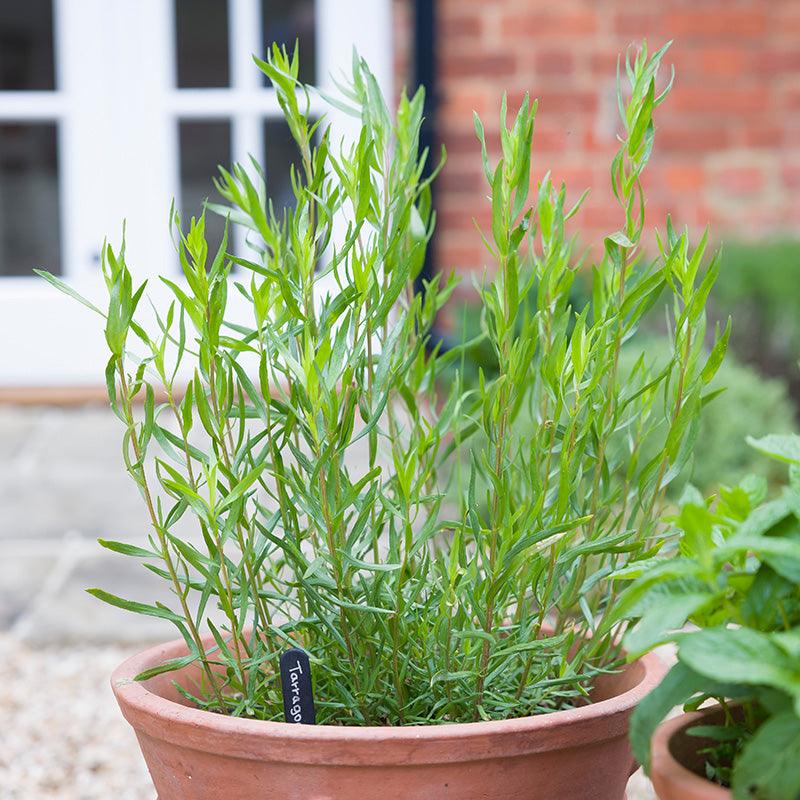
French Tarragon, scientifically known as Artemisia dracunculus, is a popular culinary herb prized for its distinctive flavor and aroma. Belonging to the Asteraceae family, this perennial herb is native to southern Europe and western Asia. French Tarragon is widely used in French cuisine, where it adds a delicate, anise-like flavor to dishes such as sauces, salads, and seafood.
Sustainably grown in 2.75" pots
Choosing the Right Location
When it comes to growing French Tarragon, selecting the right location is essential for its success. French Tarragon thrives in full sun to partial shade, preferring well-drained soil with a pH level between 6.5 and 7.5. Choose a site with good air circulation to prevent the development of fungal diseases. Avoid planting French Tarragon in areas with heavy clay soil or excessive moisture, as it can lead to root rot and other problems.
Planting French Tarragon
Plant French Tarragon in early spring or fall, spacing individual plants 18 to 24 inches apart to allow for proper growth and airflow. Dig a hole slightly larger than the root ball, and gently firm the soil around the plant.
Watering and Care
French Tarragon has moderate water needs and prefers consistent moisture throughout the growing season. Water newly planted French Tarragon regularly to establish strong roots, then transition to deep, infrequent watering once the plant is established. Avoid overwatering, as French Tarragon is susceptible to root rot in waterlogged soil. Mulching around the base of the plant can help retain soil moisture and suppress weeds.
Fertilizing
French Tarragon is not a heavy feeder and generally does not require fertilization if planted in nutrient-rich soil. However, you can apply a balanced fertilizer or compost in early spring to provide additional nutrients if needed. Be cautious not to over-fertilize, as excessive nitrogen can result in lush foliage at the expense of flavor. Monitor the growth of your French Tarragon plant and adjust fertilization accordingly.
Pruning and Harvesting
Regular pruning is essential for maintaining healthy French Tarragon plants and encouraging bushy growth. Pinch off the growing tips regularly to promote branching and prevent the plant from becoming leggy. Harvest French Tarragon leaves as needed throughout the growing season, using sharp scissors or pruning shears to snip off individual stems. Avoid harvesting more than one-third of the plant at a time to ensure continued growth and vitality.
Pest and Disease Management
French Tarragon is relatively pest and disease-resistant, but it may occasionally be affected by aphids, spider mites, or fungal diseases such as powdery mildew. Monitor your plants regularly for signs of pest infestations or disease symptoms, and take appropriate action to control them. Remove and destroy any affected plant parts, and consider using organic pesticides or fungicides as needed to protect your French Tarragon crop.
Overwintering
French Tarragon is a perennial herb that can survive mild winters with proper protection. In regions with cold winters, mulch around the base of the plant in late fall to insulate the roots and protect them from freezing temperatures. Alternatively, you can dig up potted French Tarragon plants and bring them indoors for the winter, where they can be grown as houseplants until spring.
Growing French Tarragon in your garden can be a rewarding experience, offering an abundant supply of fresh, aromatic leaves for culinary use. By following the guidelines outlined in this guide and providing proper care and attention, you can cultivate healthy French Tarragon plants that will thrive for years to come. Whether used to flavor sauces, salads, or seafood dishes, French Tarragon is sure to add a delightful touch to your culinary creations.
Share