Fresh Starts Organic Farm
Organic Parsley
Organic Parsley
Couldn't load pickup availability
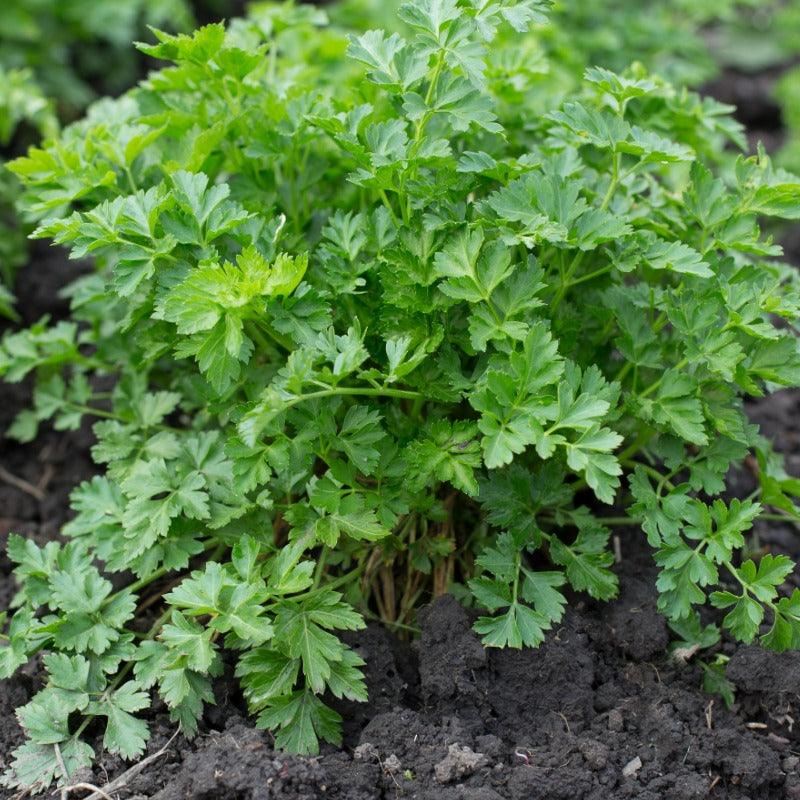
A vibrant herb, elevates culinary experiences with its distinct flavor and versatility. Rich in vitamins A and C, parsley boasts health benefits. Thriving in well-drained soil and sunlight, it's an easy-to-grow biennial. Widely used in salads, soups, and garnishes, its crisp taste enhances diverse cuisines. A nutritional powerhouse, parsley transcends the kitchen, offering both culinary delight and potential health perks to those who embrace its culinary and botanical wonders.
Sustainably grown in 2.75" pots
Selecting the Right Location:
Choose a sunny location for growing parsley, as it thrives in full sun to partial shade. Ensure the site receives at least 6-8 hours of sunlight daily. Parsley prefers well-drained soil with a pH level between 6.0 and 7.0. Amend heavy clay soils with organic matter such as compost to improve drainage and soil structure.
Preparing the Soil:
Before planting, loosen the soil to a depth of 8-10 inches and remove any weeds or debris. Incorporate organic matter such as compost or aged manure into the soil to enrich it with nutrients and improve moisture retention.
Planting Parsley:
Parsley can be grown efficiently from transplants. Transplant seedlings into the garden, spacing them 8-10 inches apart. Water the transplants thoroughly after planting to help them establish.
Watering and Care:
Keep the soil consistently moist but not waterlogged, as parsley prefers evenly moist conditions. Water deeply whenever the top inch of soil feels dry to the touch. Mulch around parsley plants to help retain moisture, suppress weeds, and regulate soil temperature. Fertilize parsley plants sparingly with an organic, balanced fertilizer to avoid excessive foliage growth at the expense of flavor.
Managing Pests and Diseases:
Monitor parsley plants regularly for signs of pests such as aphids, caterpillars, or parsley worms. Handpick any pests and use organic insecticidal soap as needed. Practice crop rotation to prevent the buildup of soilborne diseases and pests. Avoid planting parsley in the same location year after year.
Harvesting Parsley:
Begin harvesting parsley leaves once the plants reach 6-8 inches in height. Harvest outer leaves first, leaving the inner leaves to continue growing. Use sharp scissors or garden shears to cut parsley stems just above the soil level. Regular harvesting encourages new growth and prolongs the harvest period. Avoid harvesting more than one-third of the plant at a time to ensure continued vigor and productivity.
Storing Parsley:
Store freshly harvested parsley in the refrigerator wrapped in a damp paper towel or placed in a plastic bag. It can stay fresh for up to two weeks when stored this way. Alternatively, preserve parsley by drying or freezing it. To dry parsley, tie bunches of stems together and hang them upside down in a dry, well-ventilated area until completely dry. Store dried parsley in airtight containers. To freeze parsley, chop the leaves finely and place them in ice cube trays filled with water. Once frozen, transfer the parsley cubes to freezer bags for long-term storage.
Benefits of Organic Parsley:
Organic parsley is free from synthetic pesticides and fertilizers, making it a healthier choice for both you and the environment. Parsley is rich in vitamins A, C, and K, as well as essential minerals like calcium and iron.
Incorporating Parsley into Your Diet:
Use fresh parsley as a garnish for soups, salads, and main dishes to add color and flavor. Blend parsley into smoothies or juices for an extra nutritional boost. Make homemade parsley pesto by combining parsley leaves, garlic, nuts, Parmesan cheese, and olive oil in a food processor. Experiment with parsley in recipes for tabbouleh, chimichurri sauce, or parsley butter.
Growing organic parsley is a gratifying experience that offers numerous culinary benefits. By following these guidelines for planting, caring for, and harvesting parsley, you can enjoy a bountiful supply of fresh, flavorful herbs throughout the growing season. Whether used as a garnish, seasoning, or main ingredient, organic parsley adds vibrancy and nutrition to a wide range of dishes, making it a valuable addition to any garden or kitchen.
Share