Sweet Roots Farm
Organic Pie Pumpkin
Organic Pie Pumpkin
Couldn't load pickup availability
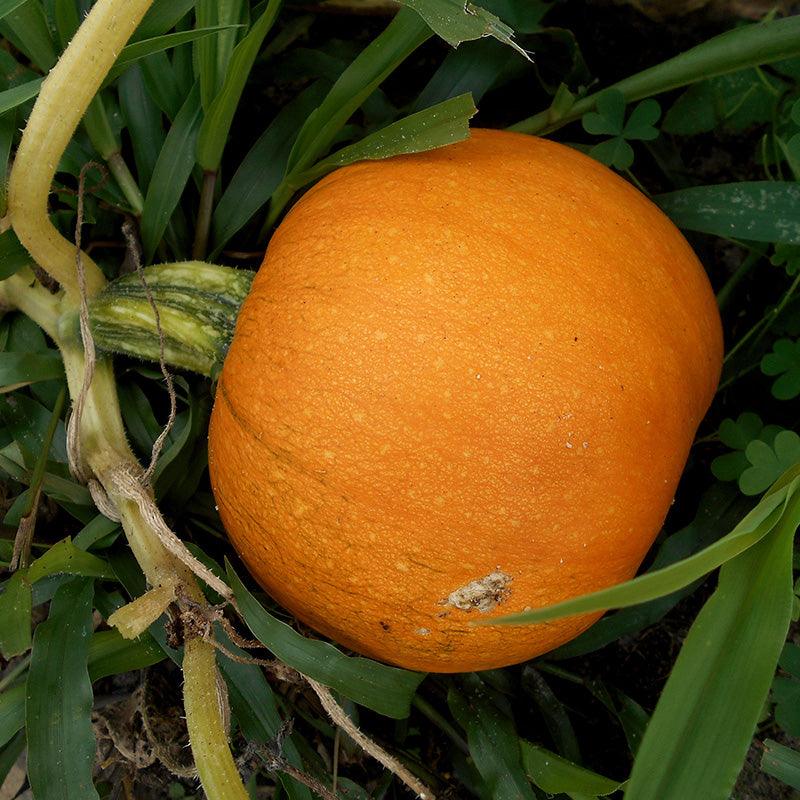
Pie pumpkins, also called sugar or baking pumpkins, are prized for sweet, dense flesh and excellent flavor. Smaller than carving pumpkins, they're ideal for pies, soups, and treats. Their vibrant orange hue and rich taste enhance culinary creations. Harvested in fall, these pumpkins grace tables with autumnal warmth, making them a cherished seasonal ingredient in diverse recipes that celebrate the essence of the season.
Sustainably grown in 2.75" pots
Preparing the Soil
Pie pumpkins thrive in well-drained, fertile soil with a pH level between 6.0 and 7.0. Before planting, prepare the soil by amending it with organic matter such as compost or aged manure to improve its texture and fertility. Remove any weeds and debris from the planting area to create a clean and healthy growing environment for your pie pumpkins.
Planting Pie Pumpkins
Pie pumpkins are warm-season crops that require plenty of sunlight to thrive. Plant starts in late spring or early summer, once the soil has warmed up to at least 70°F (21°C). Space plants 2 to 3 feet apart in rows spaced 4 to 6 feet apart to allow for adequate air circulation and room for vine growth.
Watering and Care
Pie pumpkins require consistent moisture throughout the growing season, especially during hot, dry weather. Water the plants deeply once or twice a week, providing enough water to keep the soil evenly moist but not waterlogged. Avoid overhead watering, as wet foliage can promote fungal diseases. Mulching around the base of the plants can help retain soil moisture and suppress weeds.
Fertilizing
Pie pumpkins are heavy feeders and benefit from regular fertilization throughout the growing season. Apply a balanced fertilizer or compost tea every 3 to 4 weeks to provide essential nutrients for healthy growth and fruit development. Be sure to follow the manufacturer's instructions for application rates and timing.
Training and Support
Pie pumpkins are vining plants that benefit from support and training to keep the fruit off the ground and prevent rotting. Consider using trellises, cages, or stakes to support the vines and encourage upward growth. Prune the vines as needed to remove any dead or diseased foliage and promote air circulation around the plants.
Pest and Disease Management
Pie pumpkins are susceptible to a variety of pests and diseases, including aphids, cucumber beetles, powdery mildew, and bacterial wilt. Monitor your plants regularly for signs of pest infestations or disease symptoms and take appropriate action to control them. Use insecticidal soap or neem oil to treat aphids and cucumber beetles, and apply fungicides to prevent powdery mildew.
Harvesting Pie Pumpkins
Pie pumpkins are ready to harvest when they develop a deep orange color and a hard, woody stem. The skin should resist puncture when pressed with your fingernail, indicating that the pumpkin is fully mature. Use a sharp knife or pruning shears to cut the pumpkin from the vine, leaving a few inches of stem attached. Pie pumpkins can be stored in a cool, dry place for several months.
Growing pie pumpkins can be a rewarding experience that allows you to enjoy delicious, homegrown pumpkins right from your garden. By following the tips and guidelines outlined in this guide, you can successfully cultivate pie pumpkins and enjoy a bountiful harvest of sweet and flavorful fruits all season long.
Share