San Diego Seed Company
Valencia Tomato Seeds SD (Organic)
Valencia Tomato Seeds SD (Organic)
Couldn't load pickup availability
Growing Valencia tomato seeds can be a rewarding experience, offering a vibrant addition to your garden and a rich, flavorful harvest. Here's a comprehensive guide to successfully cultivate Valencia tomatoes:
Understanding Valencia Tomatoes:
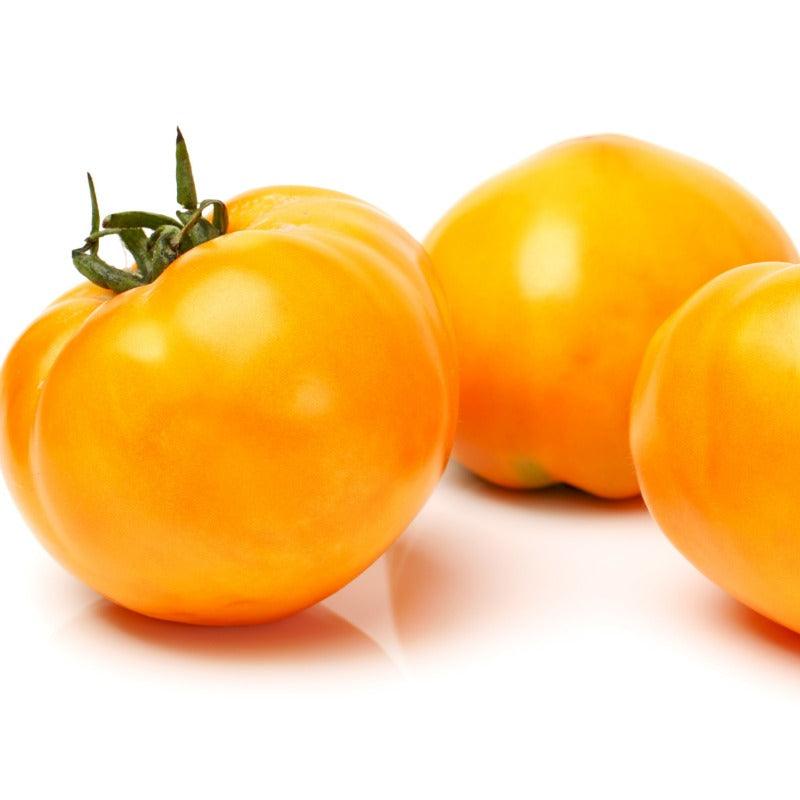
Varietal Overview: Valencia tomatoes (Solanum lycopersicum) are a type of indeterminate heirloom tomato known for their rich, tangy flavor and deep orange-red hue.
Growth Habit: As indeterminate varieties, Valencia tomatoes continue to produce fruit throughout the growing season, requiring sturdy support due to their sprawling vines.
Ideal Uses: These tomatoes are versatile, suitable for slicing, salads, canning, and sauces due to their balanced sweetness and acidity.
Planting Valencia Tomato Seeds:
Seed Selection: Choose high-quality seeds from reputable suppliers, ensuring they're suited for your specific growing zone.
Timing: Start seeds indoors 6-8 weeks before the last expected frost date. Transplant seedlings outdoors when the soil has warmed up and all risk of frost has passed.
Soil Preparation: Opt for well-draining, fertile soil rich in organic matter. Amend soil with compost for improved nutrients and moisture retention.
Spacing: Plant seedlings or sow seeds approximately 18-24 inches apart in rows spaced 24-36 inches apart to allow ample room for growth.
Ideal Growing Conditions and Zones:
Suitable Growing Zones: Valencia tomatoes thrive in USDA plant hardiness zones 3-11, encompassing a broad range of climates. However, ensure adequate warmth and sunlight for optimal growth and fruit development.
Sunlight: Tomatoes require at least 6-8 hours of direct sunlight daily for healthy growth and fruit production.
Watering: Maintain consistent soil moisture, avoiding both overwatering and underwatering, as fluctuations can cause issues like blossom end rot or cracking.
Fertilization: Apply balanced fertilizer or compost at planting, and consider additional feeding during the growing season to support vigorous growth and fruiting.
Care and Maintenance:
Support: Provide sturdy support such as stakes, cages, or trellises for the sprawling vines to prevent breakage and promote proper airflow.
Pruning: Regularly prune suckers, the small shoots that develop in leaf axils, to encourage better airflow and focus energy on fruit production.
Weed Control: Regularly remove weeds to minimize competition for nutrients and water.
Pollination and Fruit Development:
Pollination: Tomatoes are typically self-pollinating, but wind or pollinators like bees can aid in fruit development. Gently shake plants to encourage pollination.
Fruit Care: Monitor for pests like aphids or hornworms and employ organic pest control methods when necessary to protect developing fruits.
Harvesting Valencia Tomatoes:
Timing: Harvest ripe tomatoes when they have reached full color and slightly yield to gentle pressure when squeezed.
Harvest Technique: Use shears or scissors to cut tomatoes from the vine, ensuring a clean cut without damaging the plant.
Storing and Usage:
Storage: Store ripe tomatoes at room temperature away from direct sunlight and use within a few days for the best flavor.
Usage: Enjoy Valencia tomatoes fresh in salads, sandwiches, sauces, or preserve them through canning for later use. Cultivating Valencia tomatoes in suitable USDA zones 3-11 involves providing optimal growing conditions and attentive care. By following these guidelines, gardeners can enjoy the rich, tangy flavor and versatility of Valencia tomatoes in various culinary creations.
Share